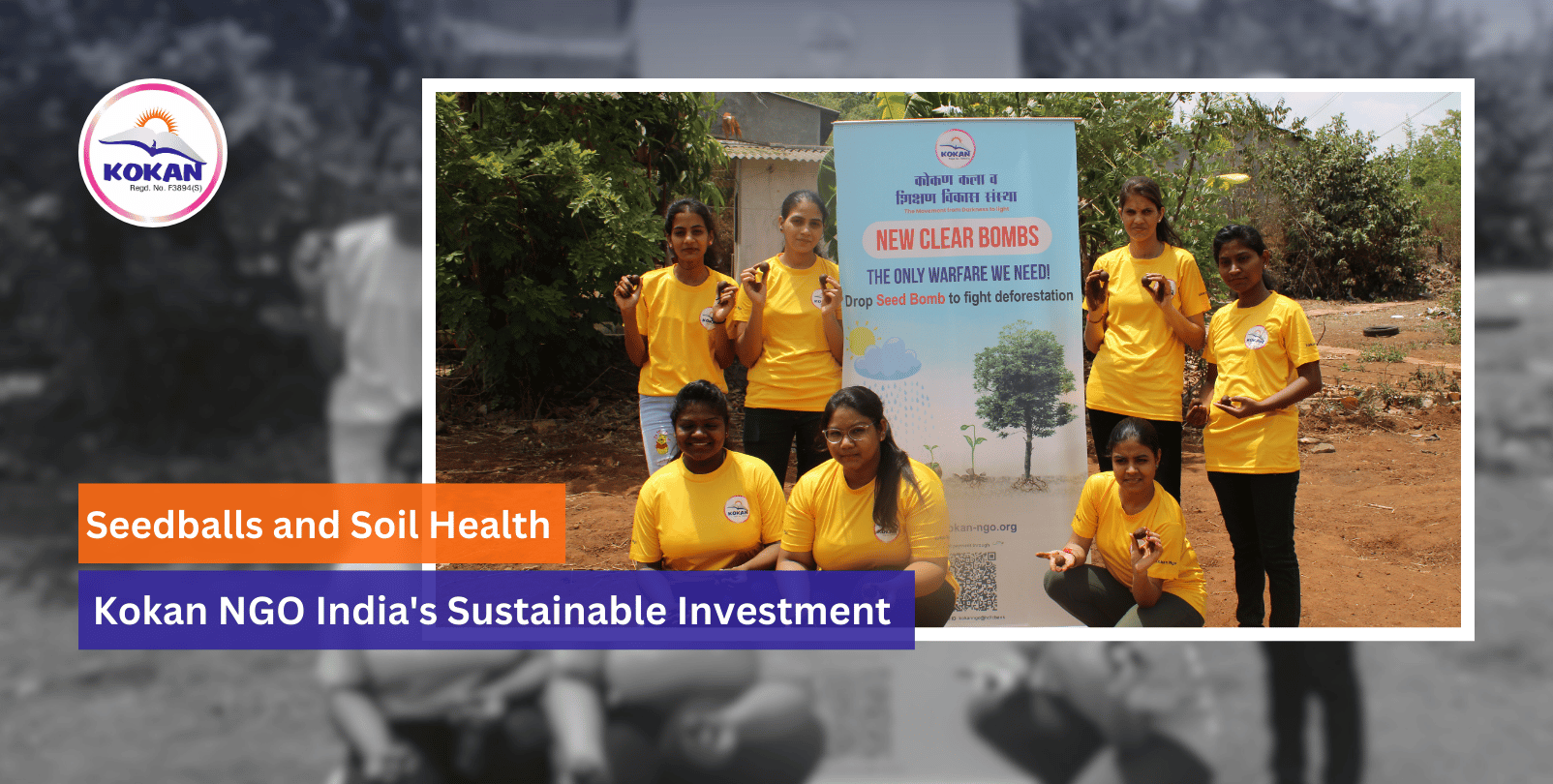
World Soil Day: The ground beneath our feet is more than just dirt; it is the living foundation of all life, food security, and environmental stability. Yet, this essential resource of our soil is facing immense pressure from erosion, pollution, and unsustainable practices. The very quality of our food, the purity of our water, and the air we breathe are directly tied to the Soil Health beneath us. Recognizing this critical connection is the first step toward true community development and a sustainable future for India.
On World Soil Day, an international observance dedicated to raising awareness of the importance of healthy soil, Kokan Kala Va Shikshan Vikas Sanstha, proudly highlights our unique Seedball Program. This initiative is a Powerful Guide for grassroots action, turning a simple, ancient technique into a modern solution for land restoration, particularly in the geographically challenging Konkan region. By involving local communities, especially youth and farmers, in the hands-on process of creating and dispersing these tiny capsules of life, Kokan NGO India is building environmental trust and promoting lasting Soil Health across our operational areas.
Why World Soil Day Matters to Kokan NGO India
World Soil Day, celebrated every year on December 5th, is championed by the United Nations Food and Agriculture Organization (FAO) to focus global attention on the importance of sustaining healthy soil. For an organization like Kokan NGO India, whose work is rooted in rural and agricultural communities, this day is not just a celebration, but a crucial call to action.
The Problem in the Kokan
The Kokan region, with its heavy monsoon rains and steep, undulating terrain, is highly susceptible to severe water erosion. This intense rainfall washes away the precious, fertile topsoil, leading to land degradation, reduced agricultural yields, and sedimentation in water bodies. The acidic nature of many lateritic soils in the region further complicates farming. Restoring Soil Health here requires innovative and low-cost solutions that can bind the earth and introduce native vegetation quickly.
Soil Health is Community Health
For the local farmers and rural livelihoods that Kokan NGO India supports, the state of the soil is a direct reflection of their economic well-being. Degraded soil means poor harvests, leading to economic hardship and migration. By investing in Soil Health, we are investing in food security, water management (as healthy soil retains more water), and the long-term stability of the entire community. This interconnection defines our holistic approach to development.
The Seedball Program: A Powerful Guide for Restoration
The Seedball Program utilizes an ancient Japanese technique, known as Nendo Dango, adapting it for the unique needs of India’s terrain. It is a brilliant example of simple, low-cost environmental stewardship that anyone can participate in.
What is a Seedball?
A seed ball is essentially a marble-sized sphere containing seeds of native trees and grasses, encased in a protective layer of clay and nutrient-rich compost. This protective casing is key because it acts as a Wonderful Shield, protecting the seed from predators (birds, insects) and harsh weather until the conditions, primarily the monsoon rains, are perfect for germination. Once the rains soften the clay, the seed sprouts in its own little pocket of fertility.
Kokan NGO India’s Unique Approach
Our Seedball Program is highly localized. Kokan NGO India only uses native seeds collected locally, ensuring that the new growth enhances the region’s existing biodiversity and climate resilience. The process involves:
- Local Seed Collection: Working with local community members to identify and collect seeds from native trees and plants that thrive in the lateritic soils of the Konkan.
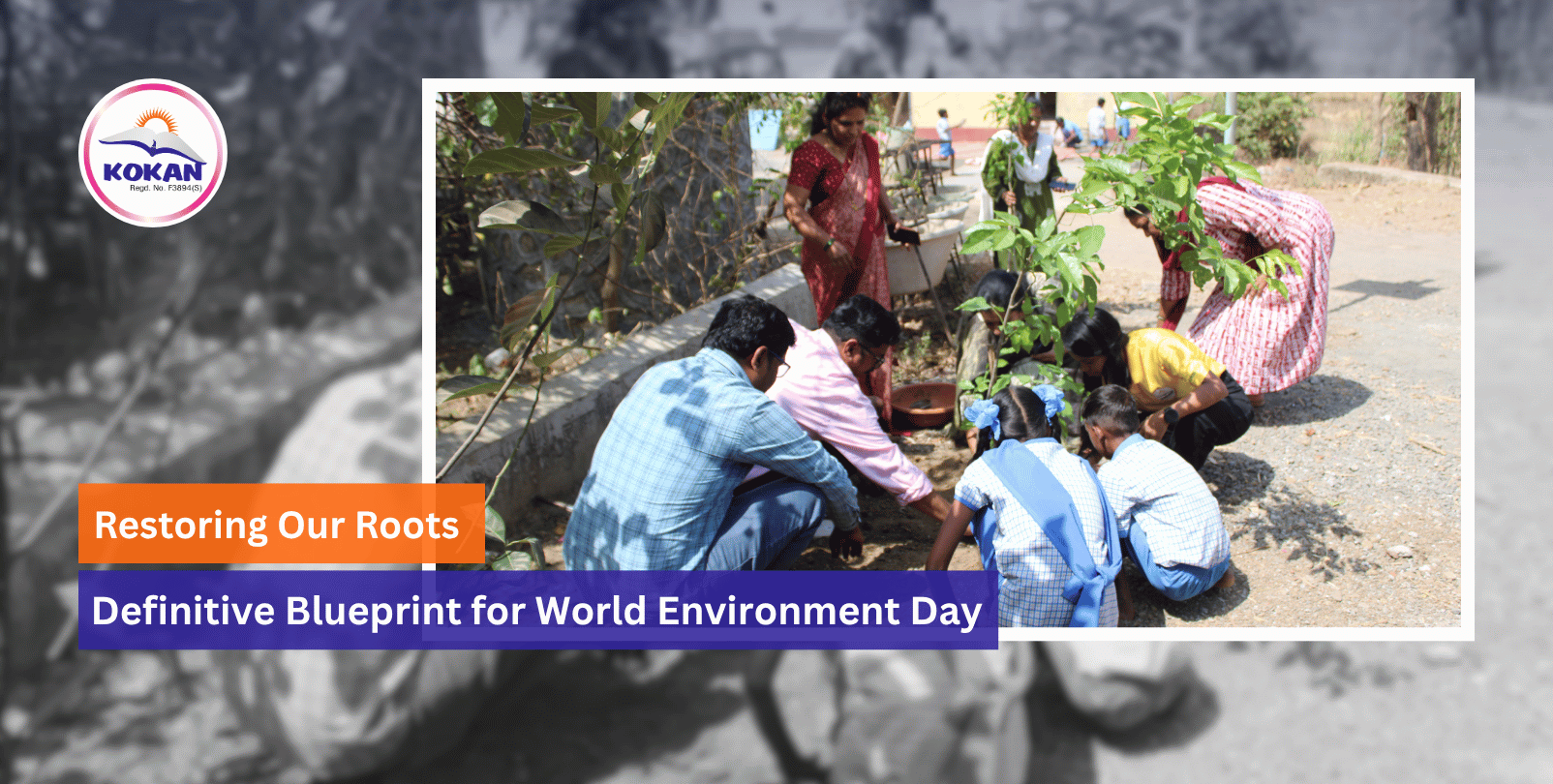
- Mass Production Workshops: Organizing large-scale workshops, often involving students, volunteers, and women’s self-help groups, to create thousands of seedballs. This participatory approach builds Community Trust and ownership.
- Strategic Dispersal: Dispersing the dried seedballs on degraded lands, steep slopes, and barren patches just before the monsoon season begins. This method requires no tilling or digging, making it ideal for inaccessible areas and demonstrating effective environmental action.
From Clay to Canopy: The Impact on Soil Health
The impact of the Kokan NGO India Seedball Program is immediate and compounding, directly addressing the core concerns highlighted on World Soil Day.
Erosion Control and Water Retention
When the seedballs germinate, the roots of the new plants anchor the soil. This is the single most effective natural method to combat the severe water erosion caused by heavy rains in the Konkan. The roots hold the soil in place, preventing the fertile top layer from being washed away. Moreover, these roots create channels that allow rainwater to percolate deeper into the ground, recharging groundwater levels and improving the water-holding capacity of the soil, which is vital for long-term Health of Soil .
Restoring Nutrient Balance and Biodiversity
The growing canopy provides shade, reducing moisture evaporation and enriching the soil with leaf litter and organic matter. This natural cycling of nutrients restores the microbial activity and organic carbon content key indicators of Health of Soil By planting native species, the program also restores local biodiversity, creating habitats for pollinators and other wildlife, further strengthening the ecological balance of the region. This full-circle approach reinforces the trust placed in Kokan NGO India‘s environmental stewardship.
Building Community Trust and Economic Resilience
The Seedball Program is not purely an environmental initiative; it is a powerful tool for social development and Community Trust. Kokan NGO India believes true sustainability requires human engagement and economic benefit.
A Trusted NGO in India’s Hands-On Approach
Involving thousands of volunteers and community members in the making of seedballs fosters a deep sense of ownership and responsibility for the land. When children create a seedball, they become stewards of the environment. When farmers see Kokan NGO India investing in the health of their land, it builds strong trust in our commitment to their livelihoods. This hands-on, non-monetary contribution reinforces our position as a Trusted NGO in India.
A Powerful Guide for Future Livelihoods
The new growth created by the seedballs sets the stage for future agroforestry and ecotourism. Restored Health of Soil allows farmers to cultivate more diverse and resilient crops. Furthermore, green, rejuvenated landscapes attract Responsible Travel, opening up new avenues for rural livelihoods like guiding, homestays, and selling local produce. The Seedball Program is thus a Powerful Guide that translates environmental restoration into long-term economic success.
Kokan NGO India: Small Actions, Monumental Impact on World Soil Day.
On World Soil Day, we are reminded that our future is literally rooted in the ground beneath us. The work of Kokan Kala Va Shikshan Vikas Sanstha through the Seedball Program, is a testament to the belief that small, simple actions, multiplied by Community Trust and dedicated support, can achieve monumental impact. By empowering people to heal the earth, we are ensuring Health of Soil for generations to come.
Join us in celebrating this World Soil Day by supporting the efforts of a Trusted NGO in India. Help us turn clay and seed into a forest, securing the Health of Soil that forms the backbone of rural India’s prosperity. Your trust and support fuel this vital environmental mission.